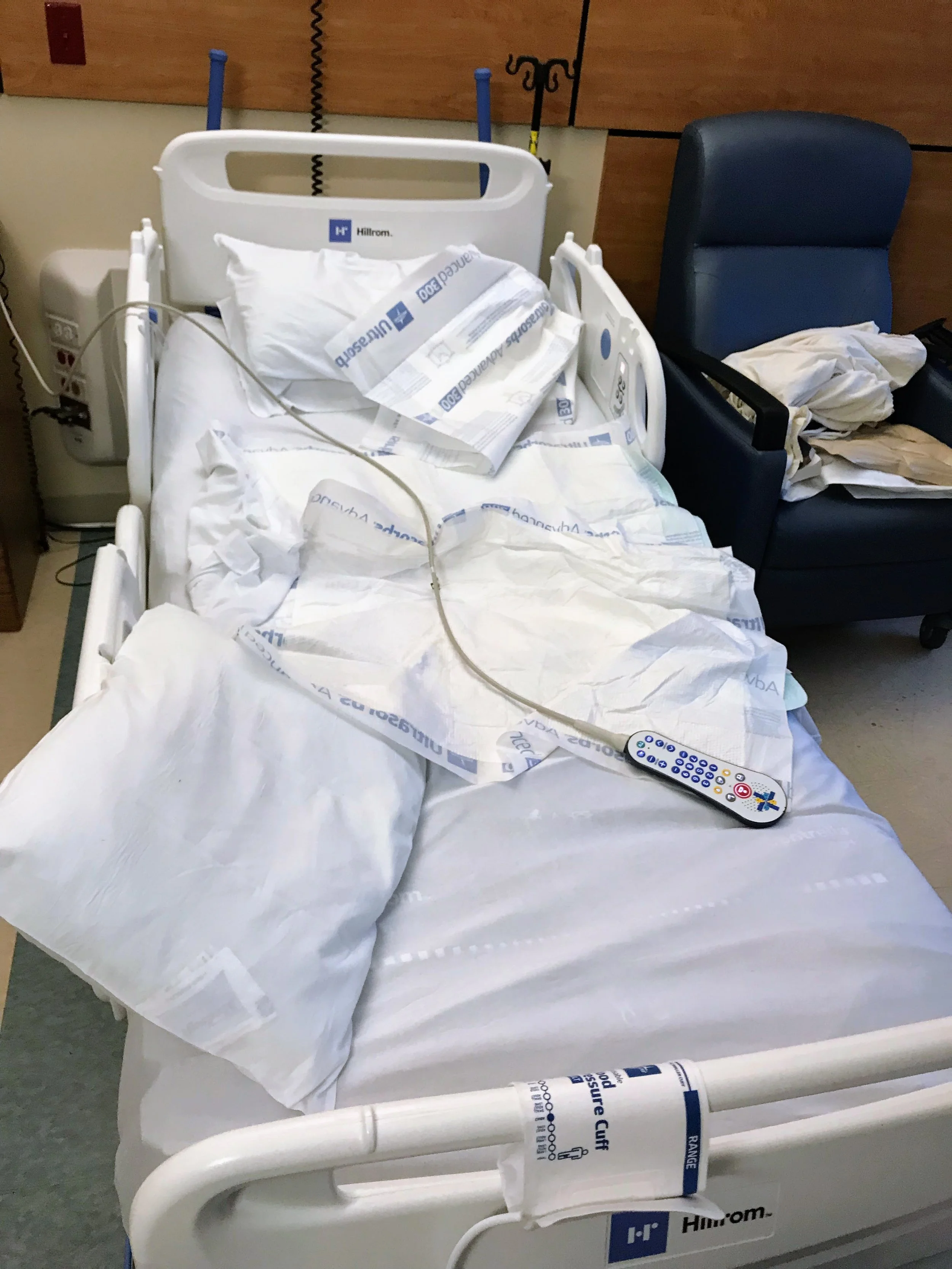
The Importance of Hospital Nutrition for Recovery in the Hospital: Why Weight Loss Shouldn't Be a Priority
When someone is admitted to the hospital, proper nutrition becomes crucial for recovery. While many people see a hospital stay as an opportunity to lose weight, it’s essential to recognize that weight loss should not be a priority during recovery. Nutrient-dense foods are necessary to support healing, maintain muscle mass, and ensure that patients recover as quickly and safely as possible.
Jerry’s Story: A Wake-Up Call for Proper Nutrition
Meet Jerry*. He was recently admitted to the hospital for surgery to treat a foot wound, but an infection prolonged his stay. During his time in the hospital, Jerry was dissatisfied with the hospital food and saw this as an opportunity to lose a few pounds. His solution? Eating only fruit. At first, he felt fine, but soon his limited food intake raised concerns with the nurse, who referred him to me, the dietitian.
When we discussed his eating plan, I explained how crucial proper nutrition, particularly protein, is for healing wounds. Healing requires extra energy and nutrients—more than Jerry might need on a typical day at home. I explained that losing weight during recovery could hinder healing and extend his hospital stay. Jerry decided that recovery was the priority, not weight loss. He was able to find some items on the menu he might eat other than fruit. He also requested some food for his family to bring him. He added more variety to his meals, including protein-rich foods, and soon felt stronger. Thanks to proper nutrition, Jerry was able to make progress in his recovery and go home to continue healing.
Why Hospital Stays Often Lead to Weight Loss
Unintentional weight loss during a hospital stay is common for several reasons:
· Unfamiliar Hospital Food
The food provided in hospitals may not appeal to every patient, making it harder to eat.
· Smaller Portion Sizes
Hospital portions of individual items may be smaller than what patients are used to eating at home.
· Loss of Appetite
Medications, illness, and stress can suppress appetite, making it difficult for patients to consume enough food.
· Other Medical Factors
Nausea, constipation, or fatigue can further reduce food intake.
Although some may see weight loss as an unintended benefit, it’s important to understand that unintentional weight loss during recovery can have severe consequences, especially when it impairs the body’s ability to heal properly.
Essential Nutritional Priorities in the Hospital for Recovery
Nutrition plays a key role in a patient's recovery process. Here are some key areas where proper nutrition is crucial:
· Wound Healing
Whether recovering from surgery or treating injuries such as bedsores, proper nutrition is critical for wound healing. Healing is an energy-intensive process, requiring additional protein, fats, carbohydrates, and micronutrients. Without adequate nutrition, the body cannot repair tissue effectively.
· Muscle Maintenance
Being sick enough to be placed in the ICU can lead to significant muscle loss, particularly in older adults. Research shows that ICU patients can lose up to 15% of their muscle in their first week in the hospital(1). Older patients with malnutrition can lose up to 9% of their muscle mass in two weeks – the equivalent of aging 9 years(2)! Muscle loss can worsen health outcomes, affecting mobility, strength, and independence.
· Energy for Physical and Occupational Therapy
Physical and occupational therapy helps patients regain movement and independence. Adequate nutrition provides the energy needed to get the most out of therapy. Without proper nutrition, the body burns stored energy, leading to more muscle and weight loss. Ensuring a steady intake of food supports therapy and helps maintain muscle mass for recovery. Not to mention, the patients who haven’t eaten well tend to appear very fatigued after a short, slow walk or completing what they used to consider easy hygiene activities.
· Preventing Malnutrition
Malnutrition in the hospital is linked to longer recovery times, increased risk of complications, and a higher risk of death. Studies show that malnourished patients have longer hospital stays and are more likely to experience adverse outcomes, including delayed healing. For example, in a recent study, COVID-19 patients diagnosed with malnutrition were 76% more likely to die than those who were well-nourished (3).
Prioritize Recovery First
Before encouraging weight loss during a hospital stay, focus on your loved one’s health and recovery. Ask yourself: Will losing weight interfere with their healing process or lead to muscle loss? Are they getting the right nutrition to support their recovery? The main priority should be helping them heal, so save weight loss goals for when they are stronger and more mobile.
How to Prevent Weight Loss During a Hospital Stay
If you are concerned about a loved one losing weight in the hospital, here are some strategies to help ensure they maintain proper nutrition:
1) Ensure Proper Food Texture
If chewing or swallowing is difficult, ask the healthcare team to adjust the food's texture. The Speech-Language Pathologist (SLP) can recommend modifications to ensure patients can consume enough food.
2) Bring Favorite Foods
Hospital food may not be to everyone's taste. If allowed, bring in favorite home-cooked meals or comfort foods. Bring in your loved ones favorite snacks. Sometimes patients will even use a food delivery service like Grubhub or Door Dash. Check with the medical team to discuss dietary restrictions as they may impact your ordering decisions.
3) Set Reminders to Eat Regularly
Encourage your loved one to eat at regular intervals (every 1.5 to 4 hours). If you're not available to remind them, set alarms on their phone to encourage them to eat throughout the day. Even small snacks can make a significant difference in recovery. Sometimes I encourage patients to set an alarm every 2 hours and attempt to eat at least a fistful of some snacks each time the alarm rings.
4) Use Oral Nutrition Supplements
Oral nutrition supplements, such as Ensure or Boost (aka protein shakes), can provide extra calories and protein. These supplements help maintain muscle mass, prevent malnutrition, and improve overall recovery (4,5).
5) Communicate About Gastrointestinal Discomforts
If your loved one is struggling with nausea, constipation, diarrhea, heart burn, communicate that with the healthcare team. These are common digestive discomforts that prevent patients from eating adequately. Often, patients don’t think it’s important enough to “bother the nurse.” However, there are medications available to help relieve some of these symptoms. If we can relieve these common symptoms, your loved one is more likely to be able to eat enough.
6) Discuss Appetite Stimulants
If your loved one struggles with appetite loss, ask the medical team about appetite stimulants. These medications might help increase food intake for certain people. Discuss with your doctors if they are appropriate for your loved ones specific condition.
Conclusion: Proper Nutrition is Key to Recovery
Nutrition plays an essential role in hospital recovery. Instead of focusing on weight loss, prioritize healing, wound care, and strength-building through proper nutrition. By eating a balanced diet rich in essential nutrients, patients can improve recovery outcomes, maintain muscle mass, and heal more effectively. Weight loss can be addressed when the body is ready, typically once recovery is well underway.
If you want to help your loved one navigate the hospital nutrition, please subscribe for blog updates!
*I draw inspiration from real people and events for my stories, but I fictionalize them to protect privacy.
References:
Fazzini, Brigitta, et al. "The rate and assessment of muscle wasting during critical illness: a systematic review and meta-analysis." Critical Care 27.1 (2023): 2.
Pourhassan, Maryam, et al. "The impact of malnutrition on acute muscle wasting in frail older hospitalized patients." Nutrients 12.5 (2020): 1387.
Vong, Tyrus, et al. "Malnutrition increases hospital length of stay and mortality among adult inpatients with COVID-19." Nutrients 14.6 (2022): 1310.
Cawood, A. L., Marinos Elia, and R. J. Stratton. "Systematic review and meta-analysis of the effects of high-protein oral nutritional supplements." Ageing Research Reviews 11.2 (2012): 278-296.
Bauer, Jürgen M., et al. "Effects of a vitamin D and leucine-enriched whey protein nutritional supplement on measures of sarcopenia in older adults, the PROVIDE study: a randomized, double-blind, placebo-controlled trial." Journal of the American Medical Directors Association 16.9 (2015): 740-747.